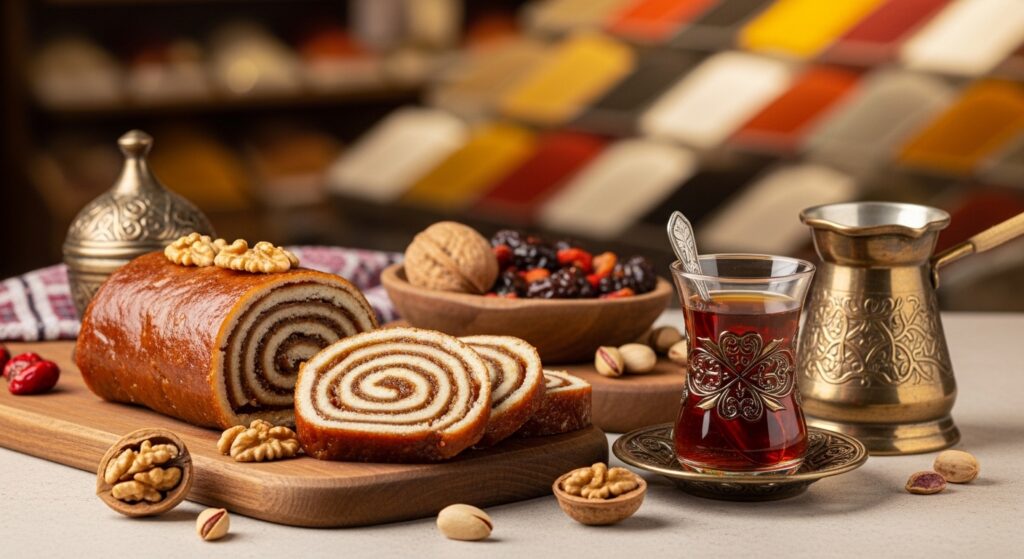
Cevurı is more than just a dish; it’s a vibrant reflection of Turkish culture and history. This traditional delicacy has its roots deeply embedded in the rich tapestry of Anatolian cuisine. As you take your first bite, you’re not just savoring flavors but also experiencing centuries of culinary evolution. The unique blend of ingredients and methods used to prepare Cevurı tells a story that resonates with both locals and visitors alike. Whether enjoyed at family gatherings or festive celebrations, this beloved dish holds a special place in the hearts (and stomachs) of many. Join us as we explore the significance of Cevurı in Turkish culinary tradition, diving into its origins, preparation methods, regional variations, and much more!
The Role of Cevurı in Turkish Cuisine
Cevurı holds a special place in the heart of Turkish cuisine. This delightful dish is celebrated for its rich flavors and unique textures. Often enjoyed during family gatherings and festive occasions, it embodies the warmth of Turkish hospitality.
Traditionally made from various ingredients, Cevurı showcases regional produce. Its versatility allows it to be adapted with seasonal offerings, ensuring freshness and local authenticity.
Whether served as an appetizer or a main course, Cevurı captivates diners with its aromatic spices and vibrant colors. It invites conversation around the table, fostering connections among friends and families.
Moreover, this dish reflects Turkey’s culinary heritage — a fusion of influences from different regions that have shaped its development over centuries. Each bite tells a story steeped in tradition while resonating with modern palates eager for authentic experiences.
Traditional Methods of Preparing Cevurı
Traditional methods of preparing cevurı reflect a deep connection to Turkish heritage. At its core, cevurı involves marinating meat, usually lamb or goat, in a blend of herbs and spices. This step infuses the dish with rich flavors.
Once marinated, the meat is slow-cooked over an open flame or in clay ovens. These cooking techniques are essential for achieving that perfect tenderness and smoky aroma. The heat allows the spices to meld beautifully.
Often accompanied by fresh vegetables and aromatic rice, cevurı is more than just food; it embodies community gatherings and family celebrations.
Each region boasts its unique twist on preparation too. Some might add local ingredients like wild garlic or specific peppers to enhance authenticity while preserving traditions passed down through generations.
These traditional methods not only create delightful meals but also preserve cultural stories intertwined with each bite of cevurı.
Regional Variations in Cevurı Preparation and Serving
Cevurı showcases the rich tapestry of Turkey’s culinary landscape. Each region adds its unique flair, reflecting local ingredients and traditions.
In coastal areas like Aegean, cevurı often includes fresh seafood. Fishermen bring in the day’s catch, enhancing the dish with a salty breeze from the sea.
Moving inland to Central Anatolia, spices take center stage. Here, cumin and paprika elevate flavors, creating a heartier version that warms the soul during chilly winters.
The Southeastern provinces infuse their cevurı with fiery peppers and herbs. The vibrant colors mirror the lively culture of these regions.
In Istanbul’s bustling markets, street vendors serve quick bites of cevurı wrapped in flatbreads. It’s an on-the-go delight for locals and tourists alike who crave authentic tastes amidst city life. Each bite tells a story steeped in regional pride and tradition.
The Cultural Significance of Cevurı in Turkish Society
Cevurı holds a special place in the heart of Turkish culture. It’s more than just a dish; it’s a symbol of togetherness and community. Families gather around the table, sharing stories and laughter while enjoying this delightful preparation.
In rural areas, Cevurı often features in celebrations and festivals. Its presence signifies unity among neighbors and kin, fostering bonds that last beyond mealtime.
Moreover, the preparation of Cevurı is frequently passed down through generations. Grandmothers teach their grandchildren secret techniques, blending tradition with love. This culinary art becomes an integral part of family identity.
Street vendors also play a vital role in spreading its popularity across urban landscapes. They serve as cultural ambassadors, introducing locals and tourists alike to this cherished food.
Through every bite, one can taste not only flavors but also history—a delicious reminder of Turkey’s rich heritage intertwined with communal spirit.
Modern Adaptations and Innovations in Cevurı Cuisine
Modern chefs are reimagining Cevurı, infusing creativity into this traditional dish. They experiment with flavors and textures while preserving its essence.
Some variations feature gourmet ingredients like truffle oil or exotic spices. This fusion elevates the experience, appealing to a broader audience.
Restaurants now offer Cevurı in innovative formats—think bite-sized tapas or elegant plated versions that showcase artistic presentation.
Health-conscious adaptations have emerged as well. Utilizing quinoa instead of traditional grains adds nutritional value without compromising taste.
Food trucks and pop-up events also celebrate Cevurı’s versatility, introducing it to urban diners seeking unique culinary adventures.
Social media plays a significant role too. Stunning photos of modern Cevurı dishes circulate online, inspiring food enthusiasts worldwide to explore Turkish cuisine in fresh ways.
Conclusion
Cevurı is more than just a dish; it’s a vibrant reflection of Turkish culture and heritage. It represents the rich tapestry of flavors that define Turkish cuisine, showcasing how history has shaped culinary practices over generations. From its humble origins to its elevated status in modern dining, Cevurı embodies both tradition and innovation.
The diverse regional variations highlight the creativity found within Turkey’s many locales. Each preparation method carries stories and customs unique to its area, celebrating local ingredients and techniques. This adaptability ensures that Cevurı remains relevant in today’s food landscape while honoring its roots.
As contemporary chefs explore new ways to reinterpret this classic dish, there’s an exciting intersection between past and present. Whether enjoyed at family gatherings or gourmet restaurants, Cevurı continues to unite people through shared experiences around the table.
Engaging with Cevurı offers not only a taste of Turkey but also an invitation to delve deeper into the cultural significance it holds for many. Embracing such dishes enriches our understanding of global cuisine and fosters appreciation for traditions that endure through time. The journey of Cevurı is one worth savoring, making it an essential part of any culinary exploration into Turkish gastronomy.